
Top Skills UK Manufacturers Need in 2026
As the UK manufacturing sector evolves rapidly, employers are looking for a new blend of technical capabilities and soft skills to remain competitive. Whether you’re a production worker, engineer, or manufacturing manager, understanding the skills in demand in 2026 can help you stay ahead, and help local businesses recruit top talent throughout the UK.
In this article we cover the most sought-after skills for UK manufacturers in 2026, why they matter, and how candidates can upskill for them.
1. Advanced Digital Literacy
Why it’s important
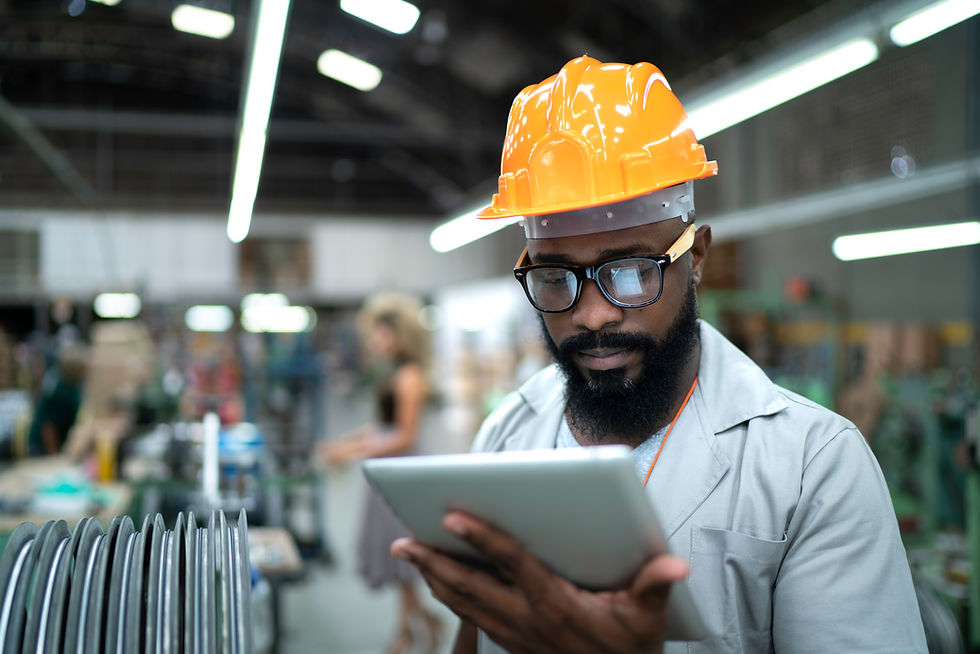
Manufacturers are increasingly integrating Industry 4.0 technologies, including automation, sensors, robotics, and cloud-connected systems. Workers who understand how to use and interpret digital tools are vital.
Skills include:
Operating digital dashboards and monitoring systems
Using cloud-based production tracking
Understanding basic data analysis
Example role: Production supervisor with data reporting skills.
2. Automation & Robotics Operating Skills
As automated systems become more common, employees who can work alongside robots are in high demand.
Key competencies:
Programming and calibrating robots
Maintaining automated lines
Troubleshooting automation issues
Employers value candidates who bridge the gap between human labour and machine efficiency.
3. Precision Engineering & Manufacturing Techniques
Despite automation, precision hands-on skills continue to matter.
Trending technical skills:
CNC programming and operation
Fabrication & welding
Quality assurance and inspection
These skills help manufacturers produce complex parts with minimal error, especially important in sectors like aerospace, automotive, and advanced engineering.
4. Data Interpretation & Analytics
UK manufacturers now rely on data to improve throughput, reduce waste, and forecast demand.
What employers look for:
Understanding production KPIs
Spotting trends from performance data
Using reporting tools such as Microsoft Power BI or similar
Even basic analytics skills can set a candidate apart.
5. Health & Safety Compliance Knowledge
Manufacturing workplaces are regulated environments. Employers seek workers who:
Know current UK health & safety legislation
Can carry out risk assessments
Understand COSHH, PPE, and machinery safeguarding
This reduces accidents and improves compliance.
6. Problem-Solving & Continuous Improvement Mindset
Technical skills are valuable but manufacturers also need team members who can think on their feet.
What this includes:
Identifying production bottlenecks
Suggesting efficiency improvements
Supporting Lean or Kaizen initiatives
This mindset is vital for modern manufacturing competitiveness.
7. Collaboration & Communication
Manufacturing is a team sport. From the shop floor to senior engineers, clear communication helps:
Align teams on targets
Reduce errors from miscommunication
Train new employees efficiently
Soft skills matter just as much as technical know-how.
8. Flexibility & Adaptability
Production environments change rapidly due to:
New technologies
New product lines
Fluctuating demand
Employees who adapt quickly and learn new systems are highly valued.
9. Environmental Awareness & Sustainability Skills
Sustainability is now a core requirement. Manufacturers want workers who:
Understand energy-efficient practices
Support waste reduction
Can help meet environmental standards and targets
This skill set is increasingly part of job descriptions even at operator level.
What This Means for UK Manufacturers
The UK is home to a number of growing, regional manufacturing bases, from engineering subcontractors to large production facilities. As these firms compete for talent in 2026, they’ll prioritise candidates with a mix of:
✔ technical know-how
✔ digital literacy
✔ proactive problem solving
✔ adaptability to new systems
Companies that recruit for these skills are more likely to succeed, and workers who possess them will be in high demand.
Conclusion
The manufacturing landscape in 2026 will value a hybrid skill set blending technical expertise with digital and analytical capability.
Employers across the UK are actively seeking workers who can evolve with industry changes.
Whether you’re a job seeker or business owner, focusing on these top skills will ensure you thrive in the modern manufacturing economy.


